

Leadership in primary schools is frequently misunderstood as a badge of honour rather than a suite of skills.
But real leadership is about agency-a student’s capacity to impact their environment and create a positive culture.
In short, it’s a focus on Organisation, one of the five building blocks of leadership.
When students act as “Event Architects,” they learn to manage the three pillars of any successful project: people, time, and resources.
Here are 20 events, categorised to help your student leaders build a culture of agency.
Category 1: Social Connection & Team Spirit
These events focus on “Relational Organisation”—the ability to coordinate groups of people to foster a sense of belonging.
1. The Multi-Age Play Festival
Leaders plan a lunchtime “unplugged” festival. They are responsible for designating zones for skipping, marbles, and tag, ensuring that Prep/Foundation students are paired with older buddies. It requires leaders to manage traffic flow and ensure every child has a point of entry into play.
2. The School Spirit “Colour Day”
Rather than just a casual clothes day, leaders organise a themed event where each house or year level is assigned a hue.
They must coordinate the communication—creating posters and making assembly announcements—to ensure 100% participation and a sense of collective identity.
3. The Peer Appreciation “Kudos” Post
Setting up a temporary school post office, leaders manage the collection and sorting of “Kudos Cards”—small notes of gratitude between students.
This builds organisational systems for sorting (alphabetical or by classroom) and requires a reliable delivery schedule that doesn’t disrupt learning time.
4. The Great School Talent Showcase
This is a masterclass in logistics.
Leaders must create an audition schedule, manage a “run sheet” for the performance, and act as emcees.
It teaches them how to manage a timeline and handle the pressure of keeping a live audience engaged while things happen behind the scenes.
5. Welcome Morning Tea for New Families
Leaders take charge of hosting new students who joined mid-term.
They organise the catering (with staff help), set up the venue, and prepare “conversation starter” cards to help new families feel at home.
It’s an exercise in empathy-driven planning and hospitality.
Category 2: Resource & Sustainability Management
These tasks teach “Logistical Organisation”—the handling of physical assets, budgets, and environmental stewardship.
6. The “Second-Hand Swap” Shop
To promote sustainability, leaders organise a book or toy swap.
They must create a “currency” system (e.g., one book equals one token), manage inventory, and set up the “storefront” so it remains orderly despite the rush of eager shoppers.
7. The Lost Property “Fashion Parade”
Instead of letting the lost-and-found bin overflow, leaders curate a “fashion show” at assembly to reunite items with their owners.
This involves sorting, cleaning, and cataloguing items beforehand, then using humour and public speaking to solve a recurring school-wide logistical headache.
8. The Garden-to-Gate Market
If your school grows vegetables, leaders can manage the harvest and sale.
They are responsible for bagging produce, setting fair prices, and managing the “cash” (or token) box at the school gate during pickup, providing a real-world lesson in supply and demand.
9. The Playground Equipment Audit
Leaders take ownership of the school’s shared resources by conducting a weekly audit.
They identify what’s broken and what’s missing, then write a formal “Resource Request” to the Principal or P&C, backing it with data they’ve collected from their peers.
10. The Energy-Saver Patrol
Leaders design and implement a school-wide energy audit.
Students create a “star rating” system for classrooms that remember to turn off lights and heaters at recess. This requires consistent scheduling and a non-confrontational way to provide feedback to teachers and students alike.
Category 3: Knowledge & Skill Exchanges
These events focus on “Learning Organisation”—scheduling, teaching, and sharing information effectively.
11. The “Teach Your Hobby” Fair
Leaders recruit students with unique skills (coding, knitting, card tricks) to run mini-workshops.
The leaders act as the “Event Managers,” timing the sessions, managing the sign-up sheets, and ensuring each student instructor has the materials they need to succeed.
12. The Digital Safety Expo
In a world of screen time concerns, student leaders organise a peer-led information evening or lunchtime expo.
They organise “booths” that explain how to handle cyberbullying or keep passwords safe, translating complex school policies into student-friendly language and interactive displays.
13. The Breakfast Brain-Teaser Club
Leaders create a morning “brain gym.”
They source puzzles, riddles, and board games, then manage the setup and pack-up. It requires them to be at school early and to maintain a quiet, focused environment conducive to logical thinking and calm socialisation.
14. Junior Librarian Mentors
Leaders partner with the school librarian to organise “Reading Nooks” during lunch.
They select books based on popular trends, manage the checkout process for that session, and lead “Book Talk” circles where they review their favourite reads to younger, impressionable students.
15. The “World Culture” Mini-Museum
Leaders invite students to bring items that represent their heritage.
The leaders then act as “Curators,” organising the items into a logical display with typed descriptions, managing the security of the objects, and guiding classes through the exhibit like professional museum docents.
Category 4: Physical Challenge & Wellbeing
This ncategory focuses on “Wellbeing Organisation”—coordinating activities that promote physical health and resilience.
16. The “Personal Best” (PB) Athletics Day
Unlike a standard sports day, leaders organise a “PB Challenge” where students compete against their own previous scores.
Leaders must manage the scorecards, time the races, and calculate improvements, shifting the focus from “winning” to personal growth through meticulous data tracking.
17. The Mindfulness Circuit
Leaders design a series of “quiet stations” around the oval—breathing exercises, sensory walks, and seated stretches.
They manage the rotations, ensuring students move through the circuit in a calm manner, and curate the music or guided instructions used at each station.
18. The Lunchtime “Olympic” Series
Leaders organise a multi-week tournament of low-impact sports like Newcombe Ball or Bocce.
This develops long-term planning, including creating a “ladder,” managing referee schedules, and resolving the inevitable on-field disputes with a firm but fair architectural approach to rules.
19. The “Active Travel” Breakfast
Leaders promote the benefits of walking or riding to school by organising a celebration for those who do.
They must coordinate with the school canteen for healthy snacks, manage the “check-in” station for arrivals, and present awards to the classes with the highest participation rates.
20. The Resilience Obstacle Course
Using gym mats, hoops, and tunnels, leaders design a course that focuses on “trying again.”
They act as “Coaches” at each station, encouraging students who struggle and managing the course's safety protocols. It’s an exercise in risk assessment and positive reinforcement.
The Takeaway
When you allow students to be the architects of these events, you do more than just fill a school calendar.
You are building their executive function, teaching them that leadership isn’t a personality trait—it’s a process of thoughtful organisation.
Start small, provide a clear framework, and then get out of their way.
The Giveaway
Complimentary for Young Leaders Program Newsletter Readers
To move from a "good idea" to a successful school event, student leaders need a structured way to think through the logistics. I’ve created an Event Architect’s Brief, that mirrors the professional project management tools used in the adult world, adapted for the primary school environment.
Know someone who’d benefit from reading this article? It’s easy to share.
The Window of Opportunity is Open…..
The start of the school year is the ideal time start building a student culture of Agency, Empathy, and Shared Responsibility.
That’s what great student leadership does - builds positive cultures.
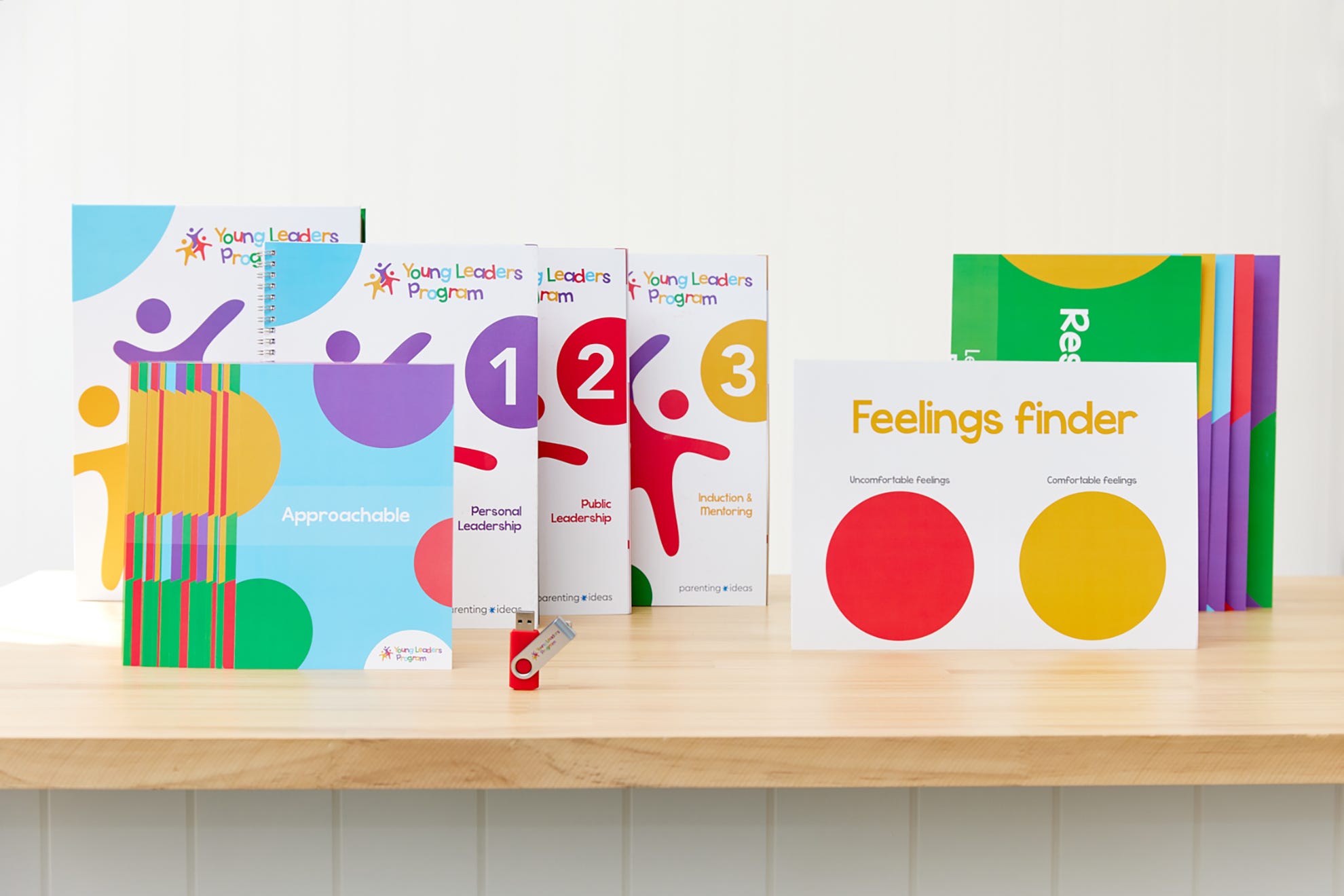
The Young Leaders Program gives your students the tools to own their classroom environment, so you can focus on what you do best: teaching.
Designed for Busy Teachers
We’ve done the heavy lifting, so you don’t have to.
Turnkey Resources: Fully planned lessons, interactive activities, and student templates.
Instant Implementation: No “training days” required. Open the files and start your first session today.
Perfect Timing: Establishing these habits now is the ultimate Prevention strategy for classroom management issues later in the term.
Secure Your Premium Plus Package!
Equip your school with the best resources available today.
BONUS: Every school that purchases the Premium Plus Package before the end of February receives a self-initiated 60-minute coaching session with the program’s founder, renowned education expert Michael Grose!
Don’t miss this opportunity to transform your student body and gain expert guidance.