


Every school is looking to evolve their student leadership culture.
If you’re not evolving, your program is either standing still or going backwards.
The next evolution of student leadership is moving beyond “roles and badges” toward a framework of actionable skills that create a student leadership culture of agency, empathy, and shared responsibility."
It’s an integrated approach that builds on what schools are already doing. It’s a natural evolution, not a radical revolution for program improvement.
Here are 26 ways to evolve student leadership in your primary school or classroom using the Young Leaders building blocks framework.
Emotional Intelligence (EQ)
Focus: Self-awareness, empathy, and self-regulation
The “Check-in” Lead: Rotate student leaders to facilitate morning “emotional weather reports,” allowing peers to share how they feel using a mood meter.
Validation Training: Use Emotion Coaching to teach senior students how to “Observe, Validate, and Connect” when a younger student is upset in the yard.
The Proactive Peacekeepers: Train students to identify “friction points” in the playground (Prevention) and suggest game modifications to keep play inclusive.
Gratitude Reflections: End each week with a student-led “Appreciation Circle” that focuses on specific character traits rather than just outcomes.
Conflict Resolution Scripts: Provide “I-message” templates to help student leaders navigate peer disagreements through Positive Discipline.
Presentation Skills
Focus: Public speaking, body language, and clear communication.
Assembly Takeovers: Shift assemblies from teacher-led to student-produced, including technical cues and scriptwriting.
The 60-Second Pitch: In class, have students practice “elevator pitches” for school improvements, focusing on eye contact and vocal projection.
Classroom “Podcasting”: Use a simple microphone setup for students to record weekly news summaries, practising tone and pacing.
Digital Ambassadors: Empower students to film and edit “How-To” videos for the school website (e.g., “How to use the new library system”).
Peer Teaching: Assign “Subject Experts” who prepare and deliver a 5-minute mini-lesson to their classmates once a term.
Responsibility
Focus: Self-discipline, reliability, and personal ownership.
The “Unseen” Leadership Log: Encourage Self-discipline by having students log moments they acted as leaders when no adults were watching.
Legacy Projects: Year 6 students choose one area of the school (the garden or the sports shed) to “own” and improve throughout the year.
School Board Liaisons: Invite two different students each month to attend a portion of a staff or board meeting to present a “Student Voice” report.
The “First 10” Leaders: Students take responsibility for the first 10 minutes of the day—organising equipment and welcoming peers (Prevention of morning chaos).
Service Learning Ties: Connect leadership to service by having students manage a local community partnership, such as a food drive or “Letters to Seniors” program.
Organisation
Focus: Planning, time management, and resource coordination.
Micro-Grant Management: Give the student council a small budget ($100). They must research, cost, and present a formal proposal for how to spend it.
The Events Architect: 20 High-Impact Events to Build Organisational Muscle
The “Systems” Audit: Task students with finding a “broken” school system (e.g., the way balls are returned at lunch) and designing a more organised flow.
Meeting Chair Rotation: Teach formal meeting procedures (Agendas, Minutes, Actions) and rotate these roles during student council meetings.
Club Founders: Allow students to pitch, organise, and run lunchtime clubs (Lego, Art, Chess), including managing sign-up sheets and resources.
Teamwork
Focus: Collaboration, delegation, and the “Benefit Mindset.”
Collaboration Challenges: Weekly 15-minute “Stem-Style” team challenges where the focus is on how they worked together, not just the result.
Cross-Age Mentoring: Pair senior students with junior “Buddies,” but provide the seniors with specific training on how to encourage (rather than do the work for) their buddy.
The “Inclusion” Squad: Task a group of leaders to ensure that no student is left alone during recess, using Positive Discipline to invite others into play.
Feedback Loops: Teach students how to give and receive “Kind, Helpful, and Specific” feedback during group projects.
The “Huddle” Habit: Before any group task, leaders facilitate a 2-minute “huddle” to delegate roles and set a collective goal.
Consensus Games: Engage students in activities that require a unanimous decision, teaching them the art of compromise and active listening.
Finally…..
As you raise the leadership bar this year, remember that you aren’t just looking for the “perfect” student; you are creating a culture where every child possesses the toolkit to lead themselves and support others.
By anchoring your school or classroom in the Five Building Blocks of Emotional Intelligence, Presentation Skills, Responsibility, Teamwork and Organisation, you are cultivating a community of resilient, empathetic, and capable young citizens.
As you implement these 26 strategies, keep in mind that leadership is a muscle that strengthens with your daily encouragement.
Let’s make 2026 the year where your students move from observing leadership to practising it every single day.
Next Week’s Young Leaders Program newsletter: Your 2026 Leadership Calendar that maps these 26 ideas across the four school terms?
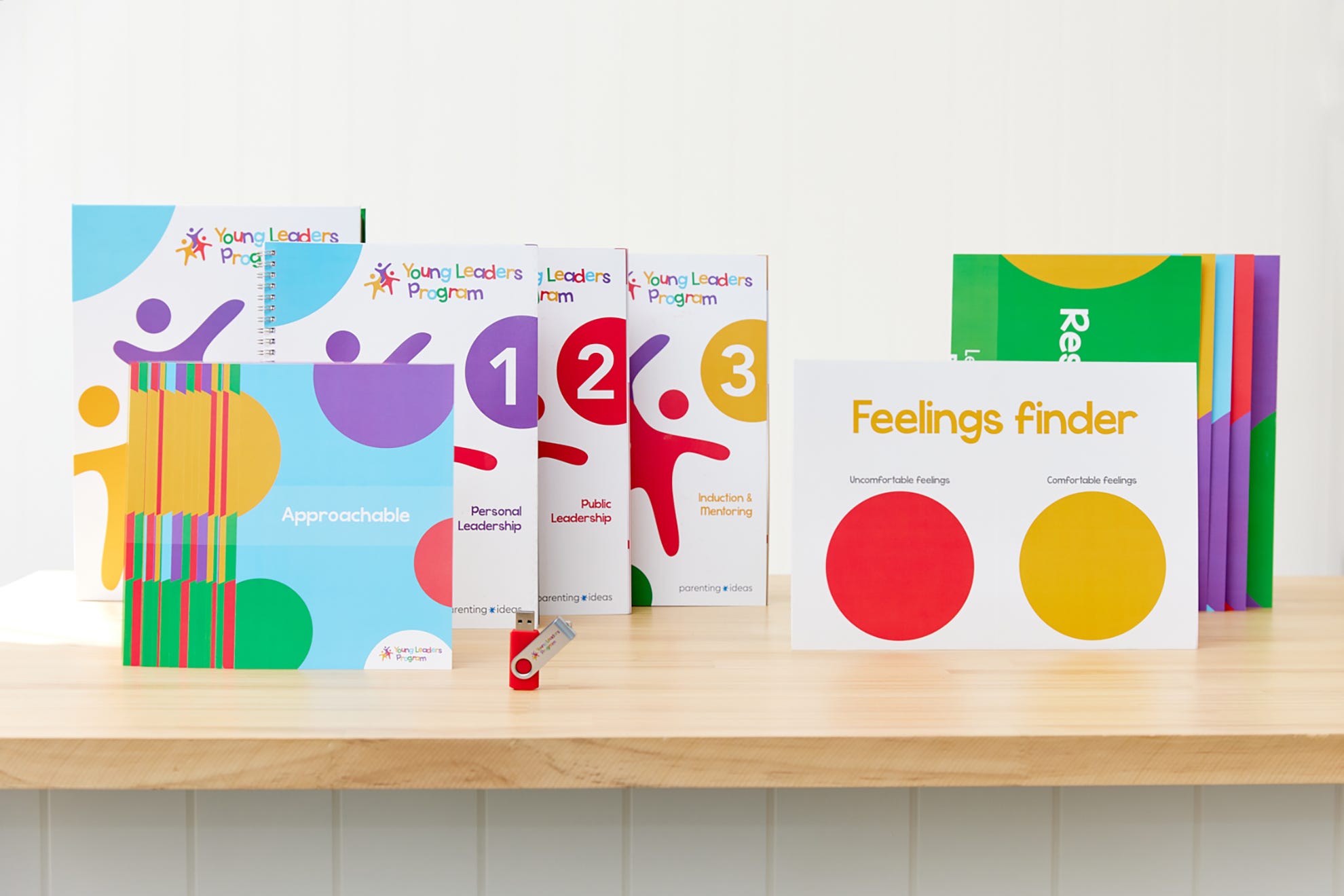
Empower Your Upper Primary Students to Lead the Way.
The start of the school year is your “Golden Window.”
It’s time to move toward a student culture of Agency, Empathy, and Shared Responsibility.
The Young Leaders Program gives your students the tools to own their classroom environment, so you can focus on what you do best: teaching.
The 5 Building Blocks of the Young Leaders Program
Our program focuses on the high-leverage skills students need to thrive:
Responsibility: Moving from “being told what to do” to taking initiative for their environment and actions.
Presentation Skills: Building the confidence to articulate ideas clearly, whether in a 1-on-1 peer conflict or in front of the whole class.
Emotional Intelligence: The core of our Emotion Coaching approach—teaching students to name, understand, and regulate their feelings to build stronger relationships.
Teamwork: Shifting from “working in groups” to true collaboration through shared goals and mutual support.
Organisation: Developing the self-discipline to manage time, tasks, and materials independently.
Designed for Busy Teachers
We’ve done the heavy lifting, so you don’t have to.
Turnkey Resources: Fully planned lessons, interactive activities, and student templates.
Instant Implementation: No “training days” required. Open the files and start your first session today.
Perfect Timing: Establishing these habits now is the ultimate Prevention strategy for classroom management issues later in the term.
Secure Your Premium Plus Package!
Equip your school with the best resources available today.
BONUS: Every school that purchases the Premium Plus Package before the end of February receives a self-initiated 60-minute coaching session with the program’s founder, renowned education expert Michael Grose!
Don’t miss this opportunity to transform your student body and gain expert guidance.
The shift from roles and badges to genuinely distributed leadership skills is the right direction, and the unseen leadership log is a particularly interesting idea because it relocates the purpose of leadership from performance for adults to internalized responsibility. What would it mean for a school’s culture if the measure of student leadership success was not who held a title but how many students led something when nobody was watching?