Here’s a tough question to ask about student leaders in your school.
Are they truly leading, or are they just symbols of leadership?
In some primary schools, student leadership is merely tokenism: a perfunctory effort to involve students in superficial roles that offer little real influence, skill development, or responsibility.
The result?
A golden opportunity missed to cultivate essential life skills in all students.
If your school’s leadership program focuses on who gets the badge and not on who learns to solve a problem, mediate a conflict, or manage a project, then you’re stuck in the tokenism trap.
To foster truly effective and inclusive leadership, primary schools need to adopt a practical, developmental, and equitable approach.
This means shifting the focus from simply having student leaders to developing future leaders with real-world skills and agency.
1. Redefine and Diversify Leadership Roles
Break free from the traditional, narrow view of “Captain” or “Monitor.”
Leadership isn’t just a badge; it’s a job. To do this:
Diversify Roles: Create specialised, impact-focused teams (e.g., ‘Green Team’ 🌿, ‘Tech Squad’ 💻) that tap into different interests and talents. Every role must have a clear mandate to make a tangible difference in the school community.
Make Selection Inclusive: Move past popularity contests or teacher choice. Implement an application process where students articulate their vision and commitment to the role, valuing ideas and passion over just ‘good behaviour.’
2. Prioritise Skill-Based Training, Not Just Status
Leadership is a set of skills, not an innate trait. Token roles fail because they lack structured development. Move away from tokenism by implementing:
Practical Workshops: Dedicate time for hands-on training focused on transferable life skills. Run workshops on Active Listening, Problem-Solving, Negotiation, and basic Project Management (e.g., how to break a big idea into smaller steps).
Mentorship: Pair student leaders with staff or community mentors (e.g., high school students, local business owners) who can offer support and reinforce the practical application of their skills. Pin mentorship to your current leadership program through Part 3 of the Young Leaders Program.
3. Delegate Real Responsibility and Authority
Tokenism occurs when students are given responsibility without the authority to make decisions. Real leadership requires giving them real agency. Consider providing them with:
Budgetary Power: Provide student teams with a small, designated project budget they are responsible for tracking and spending (e.g., the ‘Literary Leaders’ allocating funds for new library books). This teaches financial literacy and accountability.
Influence Policy: Involve students in discussions and decisions that affect them. A ‘Recess Review Committee’ could propose, trial, and present new playground rules or procedures to the administration for adoption, demonstrating their voice has direct influence.
4. Foster a Culture of Leadership for All
The aim is to instil leadership skills in every student, not just select the “best” few. Consider:
Rotating Roles: Implement short-term, rotational leadership opportunities within the classroom (e.g., ‘Expert Roles’ like ‘Materials Manager’ or ‘Data Recorder’ during a unit). This ensures every child experiences taking initiative and responsibility.
Celebrating Leadership Behaviours: Acknowledge and celebrate the skills students demonstrate (”Leo used effective communication“) rather than just the title. This shows that leadership is a set of behaviours accessible to everyone, not just a position.
From Symbolism to Substance
Moving beyond simple badges and token roles fundamentally shifts the purpose of student leadership from symbolism to substance.
When primary schools embrace practical, developmental leadership, they create an incubator that cultivates crucial, long-lasting skills:
Confidence Built on Competence: When a child successfully manages a ‘Green Team’ project, their confidence isn’t arbitrary—it’s earned through competence, empowering them to take on future challenges.
Deepened Civic Engagement: This early exposure to impactful civic processes instills a foundational belief in their ability to contribute to and improve their community, laying the groundwork for active citizenship in later life.
Essential Life Skills for the 21st Century: The specialised roles and skill-based training (e.g., project management, communication, mediation) are directly transferable to future careers and adult responsibilities. They move beyond academic knowledge to equip students with the “soft skills” demanded in any collaborative environment.
Creating a Dynamic School Environment
Ultimately, this transformation fosters a more dynamic and democratic school environment because it:
Increases Buy-in: When students see their input leading to actual change (like new playground rules), they develop a stronger sense of ownership and respect for the school environment.
Distributes Leadership: By involving more students in diverse, impactful roles, the school moves from a top-down structure to a collaborative community where initiative is valued from everyone, not just a chosen few.
This holistic approach ensures that student leadership development is not just a brief primary school activity, but a powerful, practical investment in the future capabilities and engagement of every child.
Do you know someone who’d benefit from reading this article?
It’s easy to share.
Ignite the Leadership Spark for 2026!
At last, an in-school student leadership program that actually works.
Effective leadership development needs three core components:
A clear, structured framework for building foundational skills
Active mentorship and modelling to accelerate growth
Engaging, inclusive activities that resonate with every student
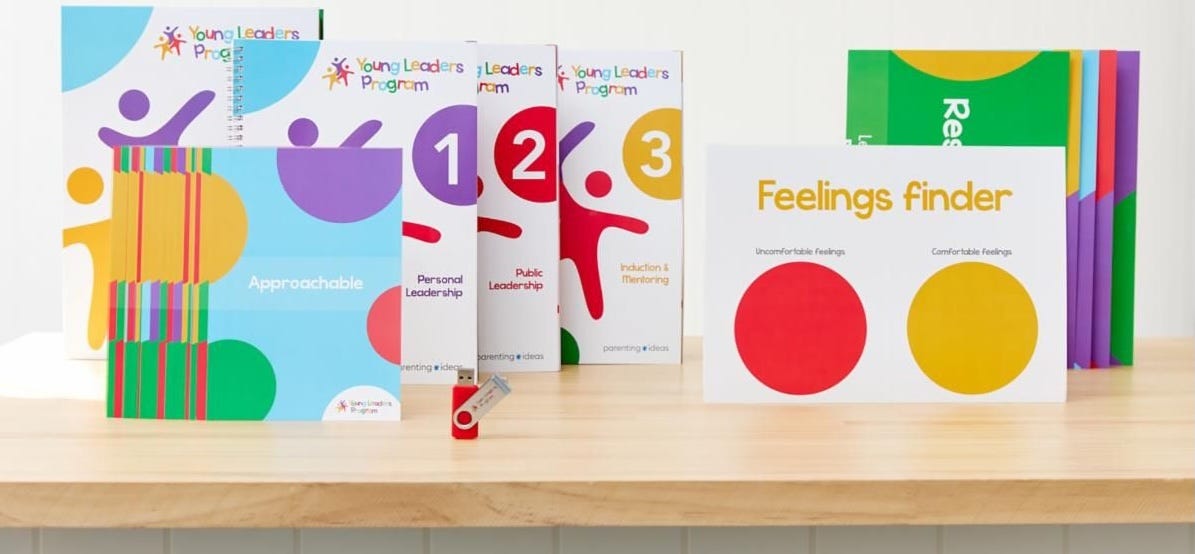
The Young Leaders Program delivers on all of these—it’s a highly effective, time-saving, and affordable solution designed to empower your students. We offer a variety of packages to fit your school’s budget, ensuring you can find the perfect fit.
Empower your students to lead with confidence. Explore the Young Leaders Program packages on our website today.