

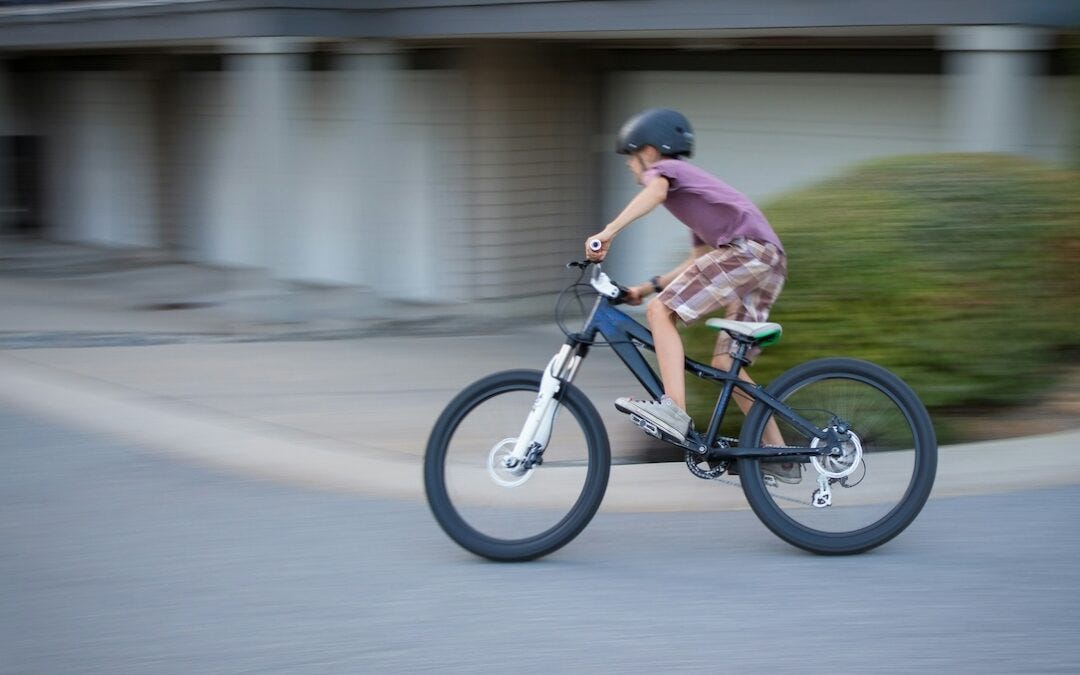
Momentum activities like public speaking and student leadership development share two attributes with riding a bike.
Both get easier when you are good at it.
And you only become good with practice.
We don’t make the mistake of thinking a child will never be able to ride a bike, even though it’s difficult.
But it’s easy to believe that a child will never be a leader or a proficient speaker.
And the idea that students (or teachers) are good at speaking or leadership, or that they are talented or born with the ability to do so, is incorrect.
They’re NOT born public speakers or leaders.
They have earned a skill that translates to momentum.
Just like riding a bike.
There’s a difference between “They’re a great leader” and “They’re born to lead.”
And there’s a difference between ” This child is not a leader right now” and “This child will never lead.”
Activities requiring momentum tend to be noticed twice: once when kids struggle with them and once when they excel at them. Often, we overlook the learning process and the valuable lessons that lead to improvement.
How can you bridge the gap (even though you may never see the results)?
After working in the student leadership area for the other 30 years, I’ve learned that these three strategies are key to student leadership development.
Here we go!
1. TEACH the scope and skills of leadership.
You can’t grow when you don’t know.
Kids quickly learn to ride a bike when they see the benefits. Wheel wobbles, falls, scrapes, and bruises don’t hinder them in the learning phase because they know their path.
When the learning is complete, they are bike riders. Suddenly, their identity changes.
How does a child know if they’re on a leadership journey when they’re not specifically taught about leadership?
They don’t know the path, let alone whether they’ve arrived at the destination of leadership excellence.
Role models, language, frameworks, practice, reflection, and mentoring are all part of students’ ascension to leadership.
Visit our new Educator Hub for Student Engagement Activities and Leadership Skills for Students.
2. Make leadership ACCESSIBLE.
It is reasonable to expect every child to be able to ride a bike. For those facing physical challenges, alternative options are available to experience the joy of riding.
But I suspect we are not so generous when it comes to leadership. It’s often only available to the elite few—the most popular or the child who is already responsible rather than the student who needs responsibility.
However, good leadership is needed in every area of life, including families, work, and communities.
Every child who leaves your class or your school is a future leader. Help them succeed in that endeavour.
3. Make leadership REAL.
The fall in family size is the biggest unspoken challenge to leadership development facing every primary school.
With two-child families the norm in most of the developed world, the opportunities for children to practise leadership at home have dramatically diminished.
It was only two generations ago (when the average number of children per family was four) that the eldest children were quasi-parents.
Leadership was real.
They were relied upon to carry out their duties.
Now, most real leadership opportunities for kids are found at school or among community groups. Teachers are then forced to stand back at times and share responsibilities and tasks among students to carry out individually or in teams.
Of course, this carries risk, but it needn’t impede actual leadership development. When you develop a leadership mindset, you see many everyday activities as genuine leadership opportunities.
Here are 25 simple leadership opportunities for students.
SIDE NOTE: Five decades ago, as an eleven-year-old captain of my primary school football team, I organised parents to drive the team to away games. No permission notes were needed. Those opportunities aren’t available today!!!
TAR makes Leadership Stick.
Use the TAR acronym to make genuine leadership development easy to remember:
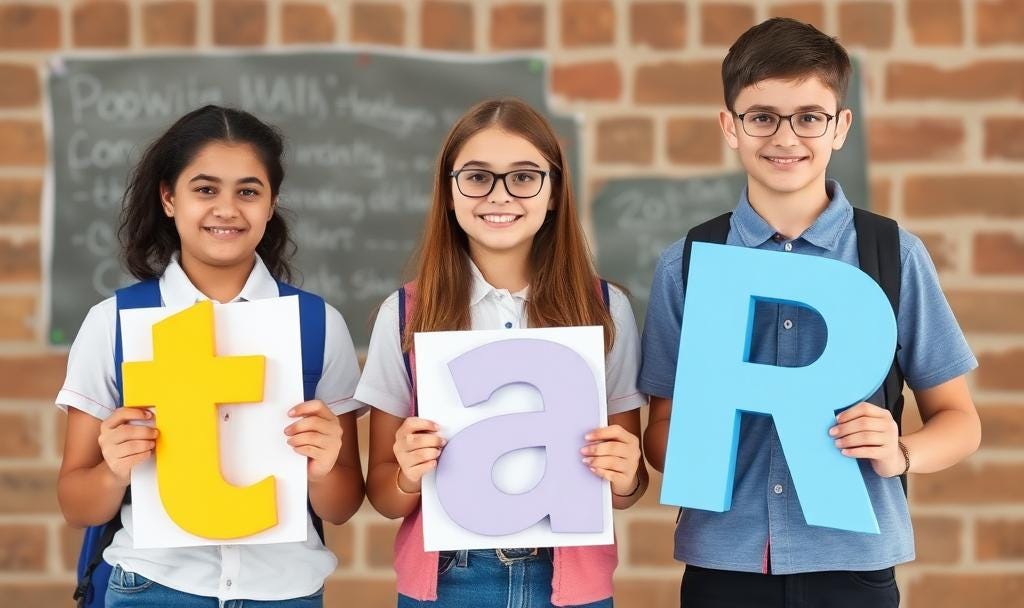
Teach, Accessible, Real.
Teach leadership,
Make it Accessible.
Make it Real.
Finally…….
Leadership development starts with twin positive mindsets. First, all children are capable of leadership. Second, leadership is an essential life skill that benefits individuals and the community.
These two mindsets help bridge the gap between average and excellence, whether in leadership, public speaking, or bike riding. Th
e contexts differ, but the attainment outcome is the same.
Do you know a teaching colleague who would find this information helpful?
Sharing is easy.
Ready to Empower the Next Generation of Leaders?
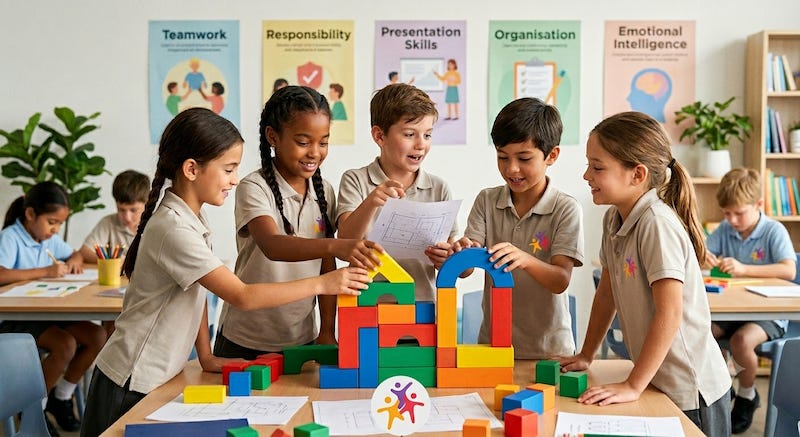
Our Young Leaders Program provides everything you need to cultivate essential leadership skills in your classroom. We’ve designed our resources to guide your students through the Young Leaders Program's five building blocks of leadership, ensuring they have the confidence and character to lead effectively.
Choose the Perfect Pack for Your Students:
Starter Pack: The ideal foundation for Year 5 students to begin mastering the core building blocks of leadership.
Premium Pack: Designed for Year 6 students to deepen their understanding and apply these principles in real-world scenarios.
Premium Plus Pack: Tailored for your elected leaders, offering advanced strategies to extend and refine their leadership capabilities.
Start Making Leadership Stick Today!
Give your students the tools they need to succeed and make a lasting impact.