


Student-led projects hit the leadership development trifecta: they develop teamwork, promote problem-solving, and enhance communication skills.
Best of all, they efficiently demonstrate that students can make a tangible difference to their school and community.
Stuck for ideas?
Try this sample of projects we’ve already observed in schools this year. I’ve organised them into three categories.
I’ve also included practical tips and ideas for forming great project teams.
Enhancing Your School Environment and Culture
Kindness Campaign: Student leaders design and implement a school-wide kindness campaign. This involves creating and distributing positive message cards, organising "Kindness Week" activities, or setting up a "compliment board" where students can write and share uplifting notes. Such a campaign promotes a positive and inclusive school culture.
School Beautification Projects: Leaders identify areas in the school that could be improved aesthetically. They then organise a project to plant flowers or trees in the school garden, create murals with student input, or lead an initiative to keep the school grounds clean and litter-free. This fosters a sense of pride and ownership in their school environment.
Mentoring Program for Younger Students: Pair senior school leaders with younger students to provide guidance and support. Assistance may include helping with homework, playing games during recess, or simply being a friendly face. This type of activity fosters empathy and communication skills.
Organising School Events: Student leaders love to take a central role in planning and running school events, such as trivia quizzes, talent shows, or small fundraising events for school initiatives. These events provide practical experience in organisation, communication, and teamwork.
Engaging with the Wider Community
Community Clean-Up Initiatives: Leaders can organise a project to clean up a local park or a designated area in their town or suburb. This activity can be linked with Clean Up Australia organisation to provide broader relevance. These activities teach environmental responsibility and enable students to contribute to the well-being of their community.
Food or Clothing Drives: Want to develop a sense of social justice and social action? Encourage student leaders to organise and promote a school-wide collection drive for a local food bank or shelter. They can be responsible for collecting, sorting, and delivering the donations, fostering empathy and a sense of social responsibility.
Environmental Awareness Campaigns: Focusing on the unique environment of their town or suburb, students could lead campaigns to raise awareness of local environmental issues, such as beach preservation or the protection of native wildlife. Activities could include creating posters, giving short presentations, or organising a school recycling program.
Developing Communication Capacities
Public Speaking and Debate Activities: Give prospective leaders the chance to shine with student-led public speaking competitions or teacher-organised friendly debates. These activities help build confidence, communication skills, and the ability to articulate their ideas effectively.
Launch a school newspaper or podcast: Aspiring journalists and storytellers can easily create a regular newspaper or podcast. Students can take on roles such as reporters, editors, producers, photographers and audio engineers. These projects hone writing skills while keeping the school community informed and entertained.
Creating a puppet show: Storytelling occurs when students design and perform a puppet show. These activities cater to more creative students who can easily be left out of leadership roles. This type of project encourages creativity, teamwork, and public speaking skills.
Key Considerations when Forming Project Teams
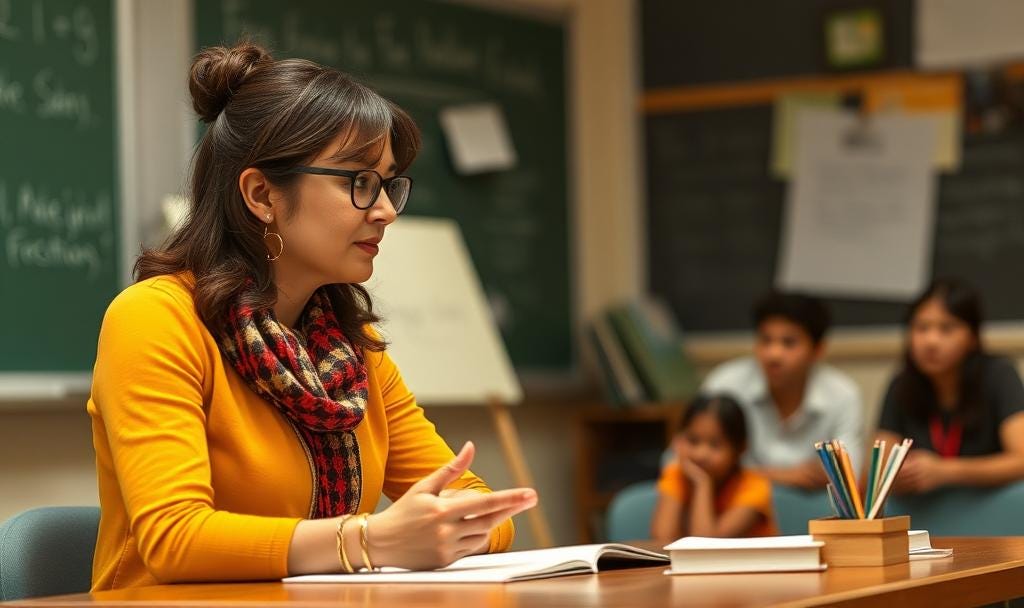
Forming effective teams for projects is crucial for student success and positive learning experiences. Consider:
1. Diverse skill sets and learning styles.
A team with a mix of students who excel in different areas can lead to more balanced contributions and richer outcomes.
2. Balance social dynamics (but don’t overthink it).
While it’s tempting to always group friends or allow students to choose, strategically mixing social groups can foster new connections and help develop collaborative skills with different personalities.
3. Clearly define roles and responsibilities.
To prevent some students from dominating (yes, many leaders love to dominate), explicitly discuss and assign roles for each project team.
4. Support collaboration through explicit instruction.
In an era of small families and fewer opportunities for kids to work together at home, you may find, as many teachers have, that collaboration doesn’t come naturally to many students. Explicit instructions about how to work together can be a great help.
5. Project goals and task complexity.
Allow the project's nature to influence the team formation. Often, a mix of more experienced students (at organising a task) and less experienced students can lead to satisfying outcomes. Additionally, as a general rule, the more complex the task, the smaller the team should be.
Finally…..
Projects provide invaluable learning experiences for student leaders, helping them grow as individuals, contribute to their communities, and develop the skills necessary to become effective leaders now and in the future.
Do you know a teacher or school leader responsible for student leadership development?
Please share this newsletter with them.
Have you visited our new Student Leadership Hub yet?
Our new Educator Hub for Student Leadership is a one-stop resource designed to save you time and spark immediate ideas in your classroom.
When you land on our new homepage, you will find everything organised into distinct, easy-to-navigate pillars:
The Five Building Blocks: Direct access to practical strategies covering Organisation, Responsibility, Teamwork, Presentation Skills, and Emotional Intelligence.
Teacher Resources: Practical, classroom-ready insights to help you move students from just “wearing a badge” to “owning their outcomes.”
Term & Yearly Planners: Implementation guides to help you map out your leadership curriculum across the school year without the stress.
The Resource Store: A dedicated space where you can quickly find and download deeper program materials, activity packs, and guides.