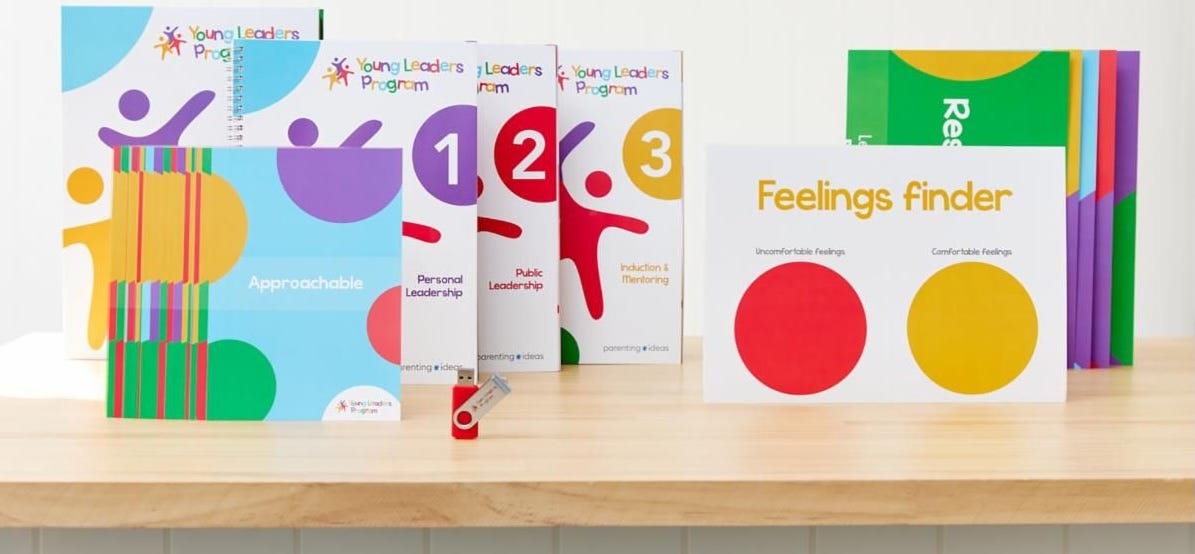
Recently, a principal asked me about the characteristics of schools that excel in developing student leadership.
Great question!
He wanted to benchmark student leadership development in his school.
It started me thinking about the topic - “What do the best schools do?” - more broadly.
From my experience, primary schools that are highly effective at developing leadership in their students go way beyond simply giving a few children a badge or a title. Leadership is seen as a high priority, and is resourced accordingly.
The best schools embed leadership principles into their culture, and it becomes part of their DNA - “this is the way we do things around here.”
To do this, they do these nine things they do exceptionally well:
1. They Define Leadership Broadly.
Instead of limiting leadership to being a "school captain," they teach students that leadership is about actions, not just titles.
Leadership is about doing, not being.
This includes demonstrating kindness, helping others, showing initiative, being a good listener, communicating clearly, accepting responsibility and working well in a team.
Every student, from the youngest to the oldest, is seen as having the potential to be a leader.
2. Provide a Wide Variety of Opportunities.
These schools offer numerous avenues for students to practice leadership.
This can include formal roles such as Student Representative Council (SRC) members and house captains, as well as less formal but equally important roles like peer mediators, playground leaders, library monitors, or even tech helpers in the classroom.
They also involve students in a wide range of student-led activities, including volunteering, school and community project work and organising in-school incursions.
This ensures that every child can find a role that fits their strengths and interests.
3. They Teach the "Why."
They don't just assign roles; they explicitly teach what leadership is and why it's valuable.
They have dedicated lessons, workshops, or activities that focus on key leadership qualities such as empathy, communication, responsibility, and collaboration.
The skill students up in many of the skills they need to lead.
They help students understand that being a leader is about serving others and making a positive impact on their community.
4. They Foster a Culture of "Student Voice."
These schools genuinely listen to their students. They create forums and systems for students to share their ideas, opinions, and concerns.
This might be through class meetings, student surveys, or a student-led project.
When students feel heard and know their input matters, they are empowered to take ownership and lead.
5. They Encourage Collaboration and Teamwork.
Leadership isn't a solo act.
Effective schools create a culture where students learn to work together to achieve common goals.
This is often achieved through collaborative projects, group problem-solving activities, and team-based challenges that require students to negotiate, delegate, and support one another.
Many schools adopt a leadership team model, rather like elite sporting teams
6. They Allow for Learning from Failure.
A key part of leadership is resilience and learning from mistakes.
These schools create a safe environment where students are encouraged to take risks and are supported when their ideas don't go as planned.
Teachers use "failures" as a chance to reflect, analyse what went wrong, and make a better plan for the next time.
Practically, the top schools I’ve collaborated with allocate the necessary resources to their leadership programs.
7. They Promote Empathy and Compassion.
They emphasise that authentic leadership starts with understanding and caring for others.
Through service-learning projects, "buddy" programs with younger students, and discussions about different perspectives, they help children develop the emotional intelligence needed to lead with compassion.
The best schools encourage every student to adopt a Benefit Mindset, and base all the student leadership work on service to others.
8. They Model Leadership Themselves.
The teachers and school staff in these schools are living examples of the leadership qualities they want to see in their students.
They are excellent communicators, they show empathy, they admit their own mistakes, and they encourage a culture of mutual respect.
This sets a powerful example for the students.
This may sound like an impossibly high bar for teachers to set.
But leadership - whether personal and public - is something everyone can and should aspire to.
9. They Connect Leadership to a Larger Purpose.
They help students see how their actions, no matter how small, connect to a larger purpose. They frame student leadership not just as a role, but as an opportunity to create a positive impact on a bigger scale.
By doing so, they provide a sense of meaning and significance to students' efforts, turning simple tasks into meaningful contributions.
For instance, a student who helps run a recycling program isn't just sorting trash; they're actively contributing to environmental sustainability, combating climate change, and promoting a more conscious way of living for everyone.
Similarly, when a student creates a safe playground, they're not just improving a space—they're building a sense of community, promoting well-being, and fostering a culture of care and responsibility.
Great schools connect the dots for students so they can see the impact of their activities on a larger scale.
Finally….
In essence, the best primary schools understand that leadership is not a one-time event or a special title reserved for a few, but rather a lifelong skill cultivated through daily practice.
They see leadership as an essential skill to be prioritised and resourced.
By embedding these nine principles into their core values, you can also create an environment where every student, regardless of their age or role, is empowered to take initiative, show empathy, and make a positive impact.
In doing so, you won’t just be producing great leaders in your class or school, but you’ll be shaping the thoughtful, compassionate, and resilient leaders of tomorrow.
So, how does your school measure up? What would you add to this list?
Do you know someone with a passion for student leadership who’d enjoy reading this article?
It’s easy to share.
Recent Best Reads from Young Leaders


Ready to Excel in Student Leadership?
At last, an in-school student leadership program that actually works.
Effective leadership development needs three core components:
A clear, structured framework for building foundational skills
Active mentorship and modelling to accelerate growth
Engaging, inclusive activities that resonate with every student
The Young Leaders Program delivers on all of these—it’s a highly effective, time-saving, and affordable solution designed to empower your students. We offer a variety of packages to fit your school’s budget, ensuring you can find the perfect fit.
Empower your students to lead with confidence. Explore the Young Leaders Program packages on our website today.