

Every primary school year, we run the ritual. We gather the senior students in the hall, hand out badges, and announce our school captains, house captains, and student leaders.
We talk about responsibility, role modelling, and being the pillars of the school community.
We take photos, parents beam with pride, and the kids walk a little taller.
Then, reality hits.
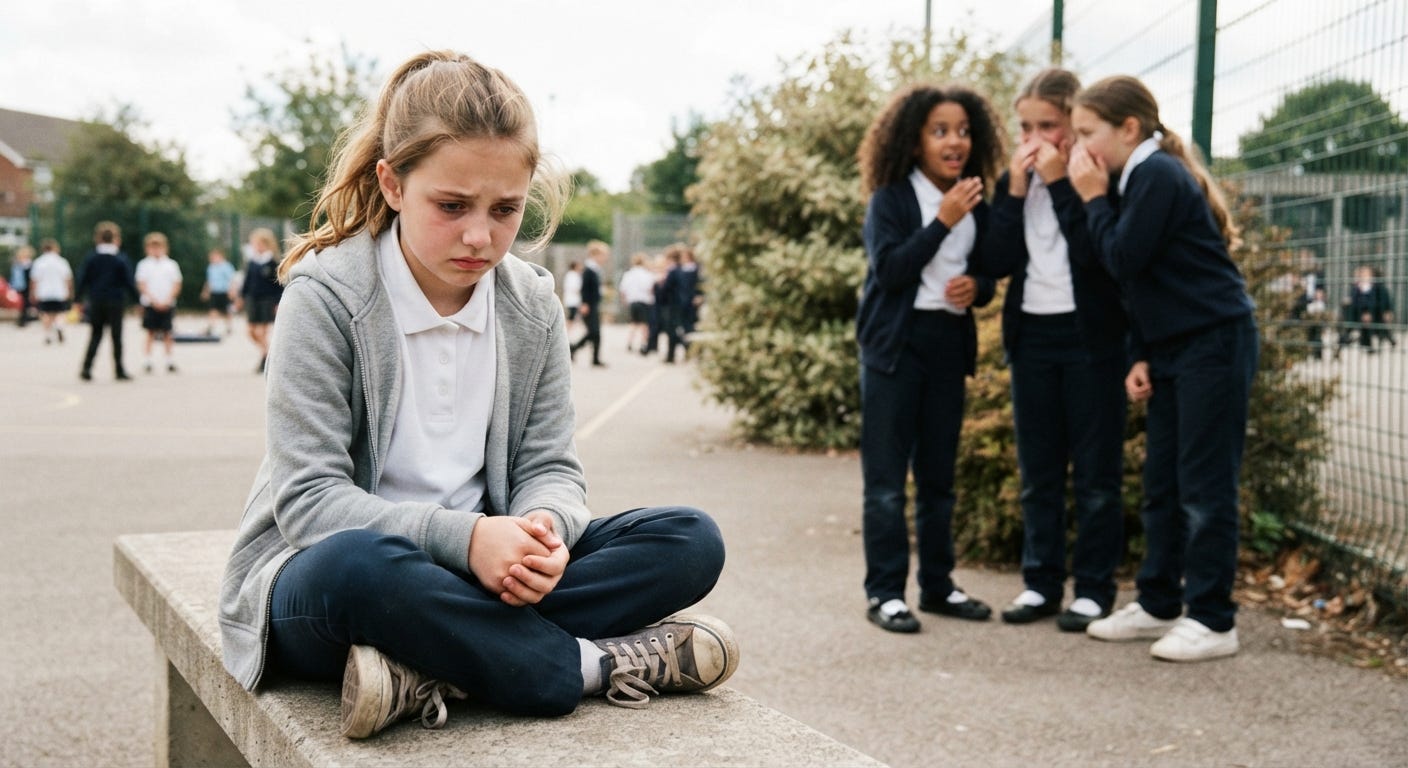
By the time Term 2 rolls into Term 3, a quiet, uncomfortable phenomenon occurs on the playground. Some of our brightest, most enthusiastic student leaders start looking a little isolated.
They linger near the teacher duty groups, eat lunch alone, or find themselves on the receiving end of eye-rolls, whispering, and outright social exclusion.
The badge we gave them—meant to be a symbol of honour—has inadvertently put a target on their backs.
As educators, we need to talk about this. Why does it happen? When does it peak? And most importantly, how do we step in to support these young changemakers before burnout or emotional distress takes root?
How Common Is It?
If you ask most primary school teachers behind closed doors, they will nod immediately. Peer backlash against student leaders is remarkably common, yet rarely spoken about openly.
While academic research into the “tall poppy syndrome” is well-documented in older demographics, its roots sink deep into the primary school playground. Children as young as nine or ten possess a fierce internal radar for egalitarianism. They want fairness, and they want equity.
When a classmate is elevated to an official leadership position—giving them license to speak at assemblies, guide younger students, or partner with teachers—the playground dynamic shifts overnight.
Anecdotal evidence from educators across primary settings reveals that a significant percentage of school and house captains experience a dip in peer popularity or face covert bullying midway through their tenure.
Leadership in primary school can be a high-risk social sport.
When Does the Friction Show?
Peer dynamics follow a remarkably predictable rhythm across the school year. If you know what to look for, you can anticipate when your leaders will need the most support:
The Honeymoon Period (Term 1):
Fresh off the election speeches and assembly announcements, goodwill is high. The novelty carries the leadership team through the first few weeks, and peer support is generally strong.
The Friction Point (Mid-Year / Term 2 to Term 3):
This is where the cracks appear. The initial gloss wears off. Captains are now expected to actually do things: organise sports equipment, remind peers of school rules, or step into messy playground disputes. Fatigued by the constant responsibility, leaders might overstep or come across as bossy. At the same time, peers grow weary of being directed by someone their own age. Resentment builds, and subtle ostracism begins.
The Climax (Term 4):
By the final stretch, social groups have fractured or solidified. Isolated leaders can find themselves cut out of birthday party invites, group games, or playground chats, wondering why they volunteered for the role in the first place.
Why Does It Happen?
To fix the problem, we have to understand what is driving it in the minds of primary-aged children.
1. The Confusion Between Leadership and Control
Children often mimic what they see adults do, but without nuance.
A newly minted house captain trying to organise a game of lunchtime soccer might accidentally slide into authoritarian mode—shouting, ordering others around, or policing rules too strictly.
To primary school peers, a bossy captain doesn’t look like a leader; they look like a mini-dictator.
The natural peer response to over-control is swift rejection and social withdrawal.
2. The Egalitarian Trap
Primary school peer culture in many schools has a strict unwritten rule: Don’t think you’re better than the rest of us.
When a child accepts a leadership badge, they instantly step out of the crowd.
For peers who harbour secret ambitions for the role—or whose best friends missed out—subtle ostracism becomes a way to level the playing field.
3. The Friendship Minefield
Many 11-year-olds find it hard to separate friendship from authority.
If a school captain has to ask their best friend to pick up rubbish or quiet down in the line, the friend group can perceive it as a personal betrayal.
The group reacts by freezing the leader out.
How Teachers Can Support Our Young Leaders
Yoy cannot simply hand out badges in February and hope for the best. That’s wrong on so many levels.
Supporting these students requires a structured, proactive approach built on practical strategies.
1. Shift the Focus from Being Liked to Being Effective
Many student leaders internalise peer ostracism as a personal failure: “If they don’t like me, I’m a bad captain.”
We need to coach them early to understand that leadership inherently involves friction.
Teach them that trying to keep everyone happy is a fast track to burnout. Reassure them that doing the right thing often means standing alone for a moment.
2. Teach the Young Leaders Five Building Blocks of Leadership
Instead of leaving leadership to trial and error, anchor your student leadership program in concrete competencies:
Responsibility & Organisation: Show them how to manage tasks without micromanaging people.
Presentation Skills: Help them master public speaking so they feel confident and grounded.
Teamwork: Teach them that true leaders facilitate rather than dictate. When a house captain asks, “How can we solve this together?” instead of “Do it my way,” peer resistance drops dramatically.
Emotional Intelligence: This is the game-changer. Teach leaders to read the room, recognise when their directions are rubbing peers the wrong way, and adjust their tone.
3. Deploy Emotion Coaching When the Hurt Hits
When a captain comes to you in tears because they were left out of a game or gossiped about at recess, resist the urge to brush it off with a casual “Oh, kids will be kids.” Use Emotion Coaching:
Acknowledge the feeling: “I can see you’re really hurt and left out today after what happened at lunch.”
Validate: “It hurts when you’re trying your best to help the school and your peers push back against you.”
Limit behaviour (if needed) and problem-solve: Help them process the sting so they don’t retreat into bitter withdrawal or impulsive retaliation.
4. Structure the Role to Prevent Isolation
Don't leave student leaders floating aimlessly on the playground without structural support.
Give them clearly defined, shared tasks—such as working in pairs to run a lunchtime club or organising equipment rotation.
Shared responsibility prevents any single child from feeling like a lone target.
Set clear role boundaries so they don’t overstep and get up other children’s noses.
5. Reset the Peer Culture in Classrooms
The antidote to playground ostracism is whole-school culture work.
Educate your senior cohort about leadership and regularly remind your broader student body about what leadership actually looks like.
Celebrate collaborative, kind leadership in your classrooms so that peers learn to value teamwork over tall-poppy tearing down.
Finally
A leadership badge should never become a social sentence.
When we place children in positions of responsibility, we carry a duty of care to protect their emotional well-being while they learn the ropes.
By anticipating the mid-year friction points, teaching them the core building blocks of collaboration, and stepping in with practical emotion coaching, we can ensure our student leaders survive—and thrive—with their confidence completely intact.
Need Help Choosing?
Finding the right student leadership package for your school shouldn’t be a guessing game. Head over to our resource centre to explore tailored options designed to empower your students and simplify your planning.