


Leadership isn't just about titles or positions—it's about actions that inspire and uplift others.
For primary students, simple leadership gestures can profoundly impact their character and positively influence their peers and the school environment.
These small acts of kindness, responsibility, and initiative teach the value of empathy, teamwork, and confidence—essential qualities for future leaders.
By practising these gestures, students learn that leadership is not limited to grand gestures but is often found in our everyday choices to support and include others.
These 25 leadership gestures (with a sentence outlining their purpose) highlight how young learners can take the first steps toward becoming thoughtful, compassionate leaders who make a difference:
1. Greeting classmates warmly.
Promotes inclusivity by helping others feel valued and welcome.
2. Helping new students settle in.
Builds empathy and creates a supportive environment, ensuring no one feels left out.
3. Organising group activities.
Demonstrates initiative and helps bring people together, fostering collaboration and teamwork.
4. Taking responsibility for cleaning up shared spaces.
Encourages accountability and shows respect for communal areas.
5. Cheering for classmates’ achievements.
Boosts morale and creates a culture of encouragement and mutual respect.
6. Volunteering for classroom tasks.
Shows initiative and a willingness to contribute and lighten others' load, embodying selflessness.
7. Encouraging quiet peers to share their thoughts.
Promotes inclusivity and helps others develop confidence in expressing themselves.
8. Offering to help classmates struggling with schoolwork.
Builds a supportive culture and teamwork while reinforcing empathy.
9. Respecting everyone's ideas during group discussions.
Encourages open-mindedness and active listening, vital qualities for effective leadership and collaboration.
10. Creating inclusive games.
Ensures everyone feels included and teaches fairness and consideration.
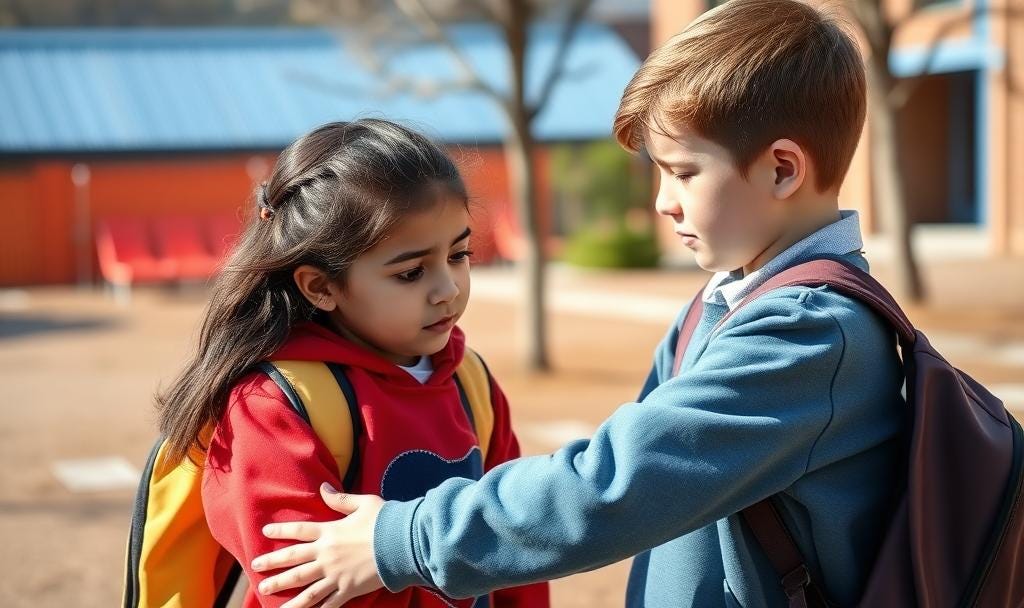
11. Offering solutions to minor peer conflicts.
Promotes problem-solving skills and helps maintain harmony.
12. Actively encouraging others in projects or sports.
Builds a cooperative spirit and teaches the value of working together toward shared goals.
13. Complimenting peers genuinely for their efforts.
Fosters kindness and self-esteem, creating a positive atmosphere.
14. Acting as a buddy for younger students.
Teaches responsibility and shows compassion toward others.
14. Modelling good behaviour when adults aren’t around.
Reinforces integrity and responsibility, showing that authentic leadership is consistent.
15. Recognising and acknowledging others' contributions.
Builds a sense of community and appreciation, motivating others to do their best.
16. Checking in with a peer who seems upset.
Encourages compassion and emotional intelligence, showing that leadership involves caring for others' well-being.
17. Offering to pair up with someone left out during group activities.
Demonstrates kindness and shows that leadership is about serving others.
18. Setting an example by lining up quietly and encouraging others to follow.
Actions like modelling good behaviour inspire peers to follow suit, creating a ripple effect of positive conduct.
19. Offering to explain a game’s rules to someone unfamiliar.
Demonstrates initiative and helps ensure inclusivity, ensuring everyone is on the same page and can participate.
20. Reminding friends to stay on task during group projects
Builds accountability and helps the group work efficiently while fostering a positive, productive atmosphere.
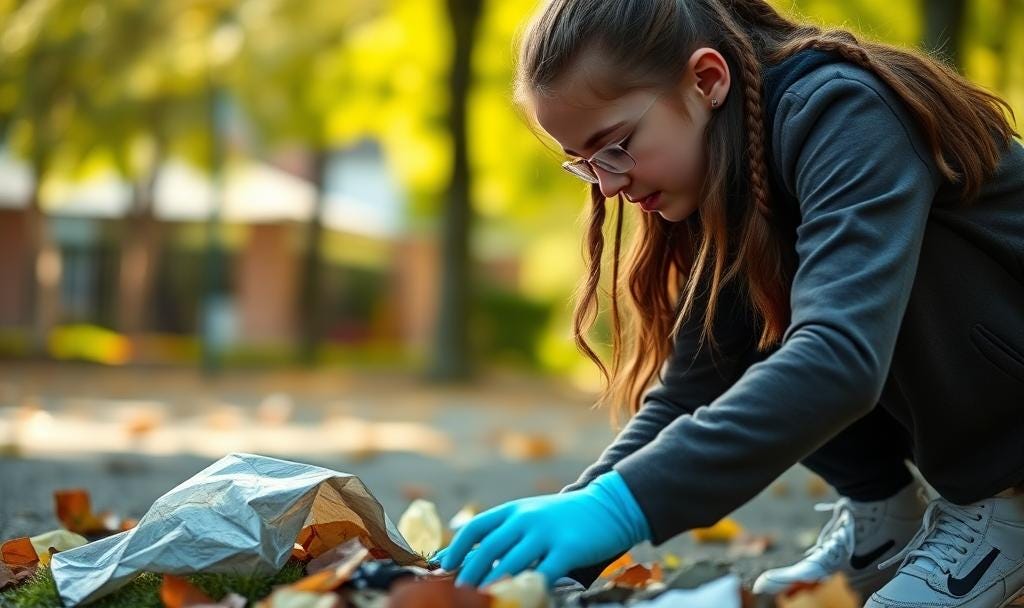
21. Taking responsibility for cleaning up shared spaces
Encourages accountability and shows respect for communal areas.
22. Standing up against bullying.
Demonstrates courage and sets a standard for creating a respectful and safe environment.
23. Helping organise classroom events.
Develops planning skills and strengthens the sense of community among peers.
24. Starting a conversation with a student sitting on their own.
Nurtures inclusivity and helps establish a sense of belonging in a group or class.
25. Showing gratitude by saying "thank you".
Gratitude reinforces positive relationships, fosters respect, and encourages others to feel valued and appreciated.
Finally…..
Each gesture reflects a piece of the larger leadership puzzle—fostering empathy, responsibility, initiative, and collaboration.
Together, they help students become compassionate, confident, and effective leaders.
Which gestures resonate most with you? I'd love to hear your thoughts!
We’d love to hear from you.
Are you enjoying this regular newsletter? What would you like to read about? How can we help you develop a strong student leadership culture in your class or school?
Have you visited our new Student Leadership Hub yet?
Our new Educator Hub for Student Leadership is a one-stop resource designed to save you time and spark immediate ideas in your classroom.
When you land on our new homepage, you will find everything organised into distinct, easy-to-navigate pillars:
The Five Building Blocks: Direct access to practical strategies covering Organisation, Responsibility, Teamwork, Presentation Skills, and Emotional Intelligence.
Teacher Resources: Practical, classroom-ready insights to help you move students from just “wearing a badge” to “owning their outcomes.”
Term & Yearly Planners: Implementation guides to help you map out your leadership curriculum across the school year without the stress.
The Resource Store: A dedicated space where you can quickly find and download deeper program materials, activity packs, and guides.